
From a leaf to a cup
A better understanding
of every cup.
Explore the science behind tea processing, flavour and brewing.
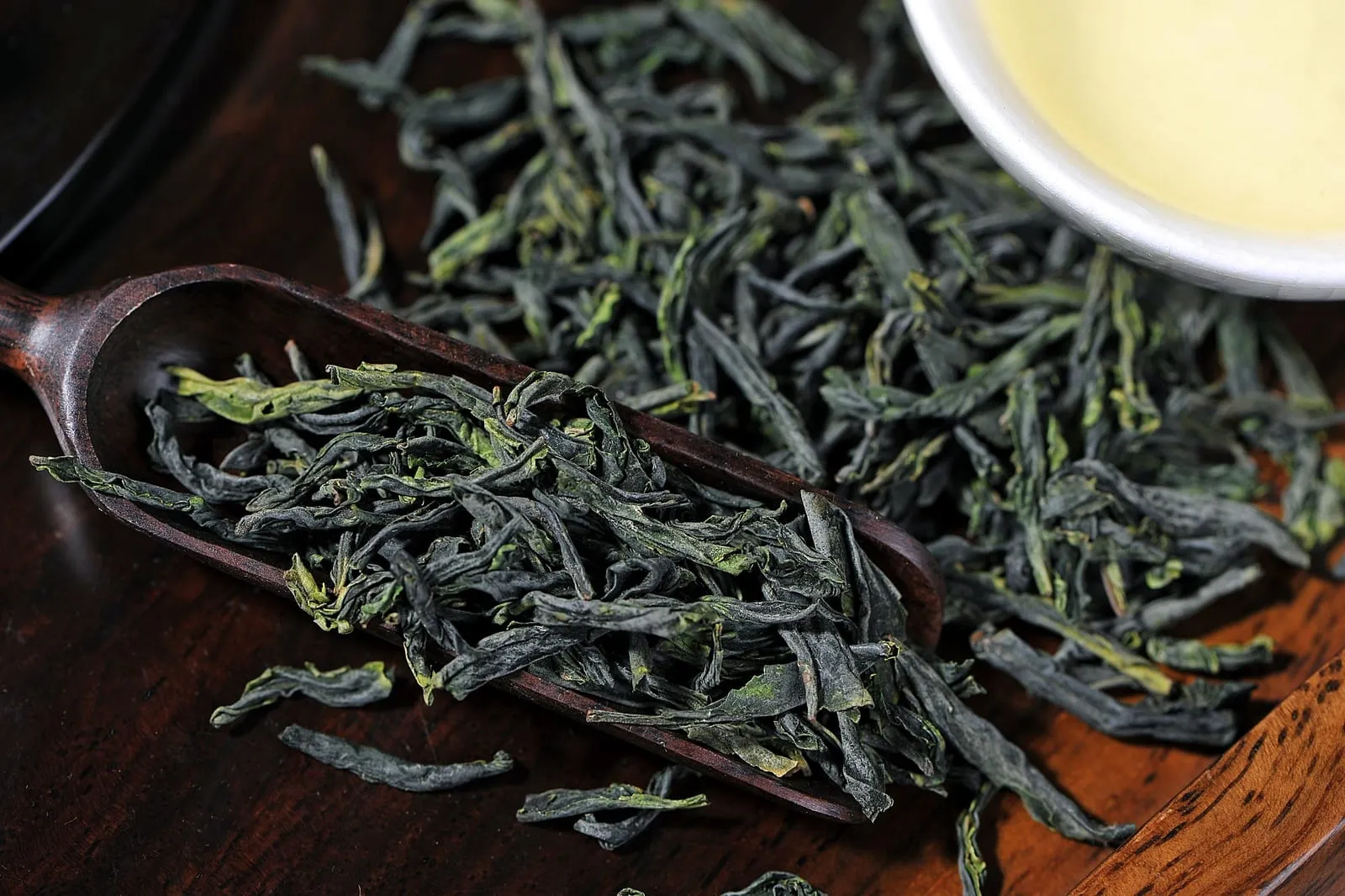 Pixabay · yangjoy999
Editor’s pick · Start here
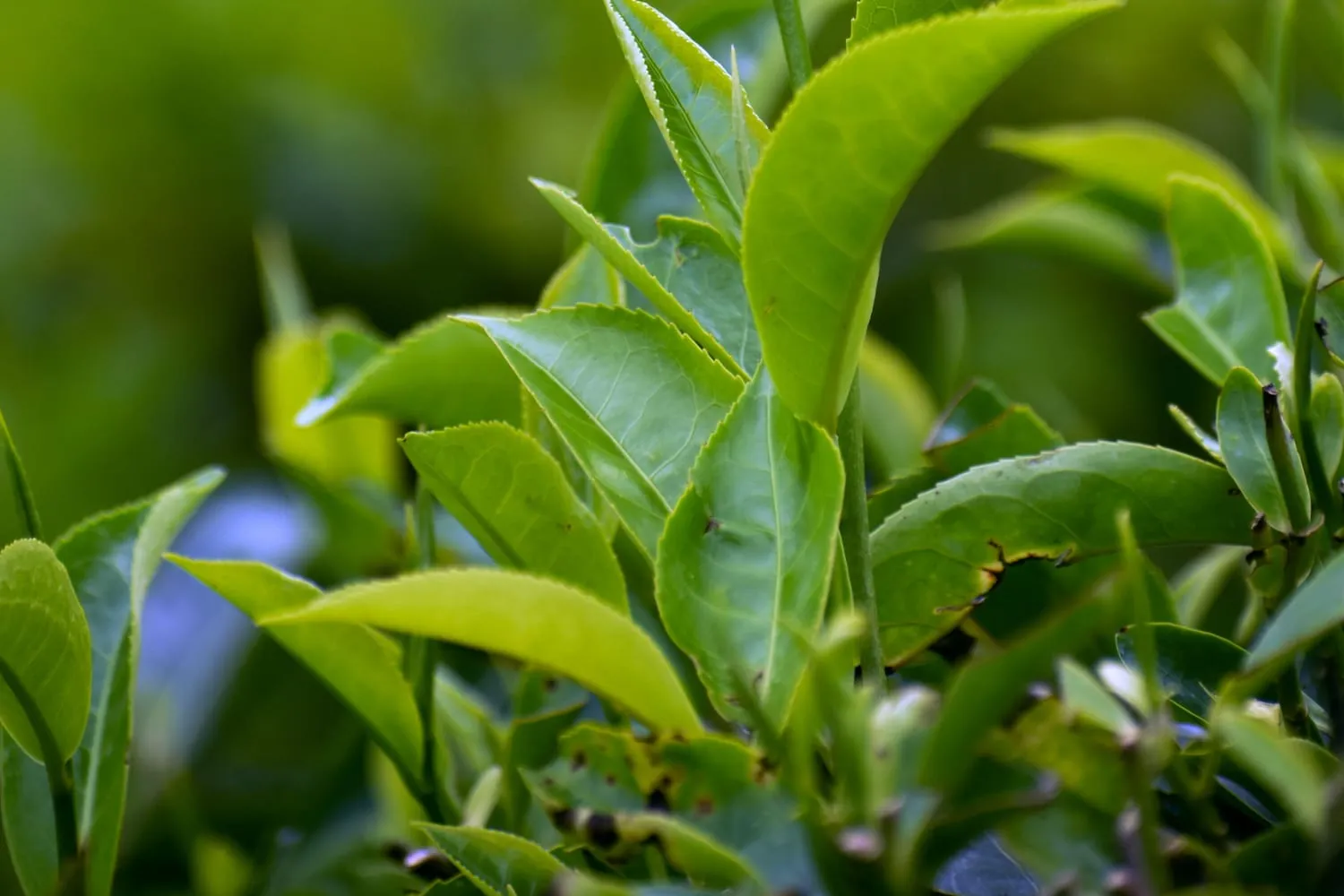
One leaf.
Six different teas.
Understand the six Chinese tea categories through their processing methods.
Explore next
Follow your curiosity
Continuously revised
Recently updated
How Are the Needle-Tight Shape and Chestnut Aroma of Xinyang Maojian Formed?
Xinyang Maojian exemplifies premier Chinese pan-fired green tea, celebrated for its slender straight needle form, abundant silver down, and rich roasted chestnut fragrance.
How did tea cross the oceans?
Maritime tea routes brought Asian tea into the histories of ports, ships and world trade.
How did loose-leaf steeping become familiar?
Putting leaves into a vessel and adding hot water feels ordinary today.
Where did tea begin, and how did it spread?
Tea history follows both the use of a plant and changes in everyday drinking.
Tea atlas
Find your next subject
Nine chapters, five ways to explore.
01Know teaOrigins, the plant and terroir
02Tea scienceProcessing methods and their science
03Flavour & brewingDescribe your tea and brew it better
04Tea cultureWays of drinking tea around the world
05Contemporary issuesExplore claims and follow the evidence
Guided learning
Follow a thread deeper
Go deeper, with sources to follow.
Key claims cite their sources. Articles retain revision dates and review status.