
Cultivation & Terroir
Terroir · Microclimates and Global Growing Zones
Exploring global tea maps, China’s four tea zones, and focused monographs on India, Japan, Sri Lanka, and Kenya: how latitude, elevation, climate and agronomy shape raw leaves.
Origin is not an abstract slogan on commercial packaging, but an ecological matrix shaped by temperature sums, frost-free periods, cloud mist, soil chemistry, and agronomic management. This chapter examines global maps, China’s four primary tea regions (Southwest, South China, Jiangnan, Jiangbei), and dedicated studies of India, Japan, Sri Lanka, and Kenya[1][2].
Reading these regions is not about declaring a single “best” terroir, but understanding comparable ecological and production conditions. Macroeconomic data from international agencies combined with microclimate field observations ground our evaluation of tea ecosystems in reality[3].
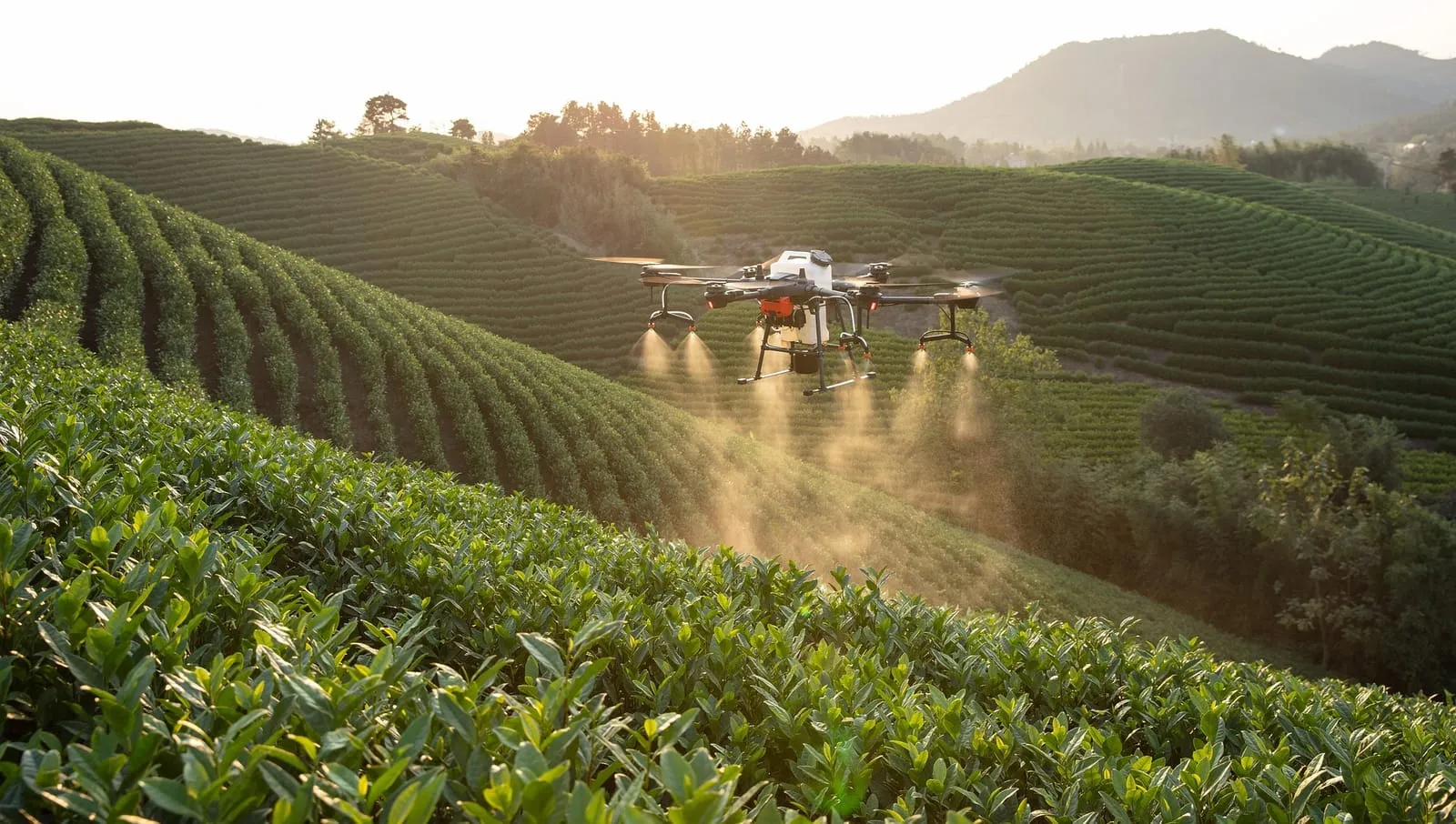
Terroirs woven by latitude, altitude and climate
World Tea Map & Terroir Database
Explore regional maps across China, India, Japan, Sri Lanka, and Kenya. Inspect microclimates, elevation profiles, and representative tea cultivars.
Chapter articles
6 articlesWhy do teas differ around the world?
Teas grow in different environments and are made for different habits and markets.
How are China’s four tea regions defined?
China’s four broad tea regions organise a complex landscape into a useful map.
What makes Indian teas different?
Assam’s rich malty character, Darjeeling’s seasonal floral and muscatel associations, and Nilgiri’s softer fruity styles reveal different sides of Indian tea.
How do you read Ceylon tea origins?
Ceylon remains a familiar origin name for Sri Lankan tea, covering high-, mid- and low-grown teas and several regional styles.
Where do Japanese tea styles come from?
Sencha, gyokuro and matcha are familiar Japanese green teas, but their material, processing and preparation differ.
How can you understand Kenyan tea?
Kenyan tea often reaches tea bags and black-tea blends as small particles that infuse quickly and build strength readily.
METHODOLOGICAL RIGOR & EVIDENCE BOUNDARIESEcological Multi-Scale Rigor & Traceable Statistics
Terroir analysis separates macro-climate indicators from micro-topographical factors. Global trade metrics strictly cite verified FAOSTAT datasets.
We provide empirical observations of climate and soil rather than commercial hierarchy endorsements.
Primary References
- R-042 — Zhuang Wanfang, ed. (1988). Tea Cultivation in China. Shanghai Scientific & Technical Publishers. ISBN: 978-7532304899. Authoritative standard on ecological suitability zoning.
- R-030 — Chen Zongmao, ed. (2000). China Tea Comprehensive Dictionary. China Light Industry Press. ISBN: 978-7501925094. Foundational reference on climate, soil, and regional tea classes.
- R-136 — FAOSTAT. Tea Production and Trade Statistics 2023. https://www.fao.org/faostat/ Official data on global tea outputs and export flows.